How can I find affordable senior apartments on Social Security?
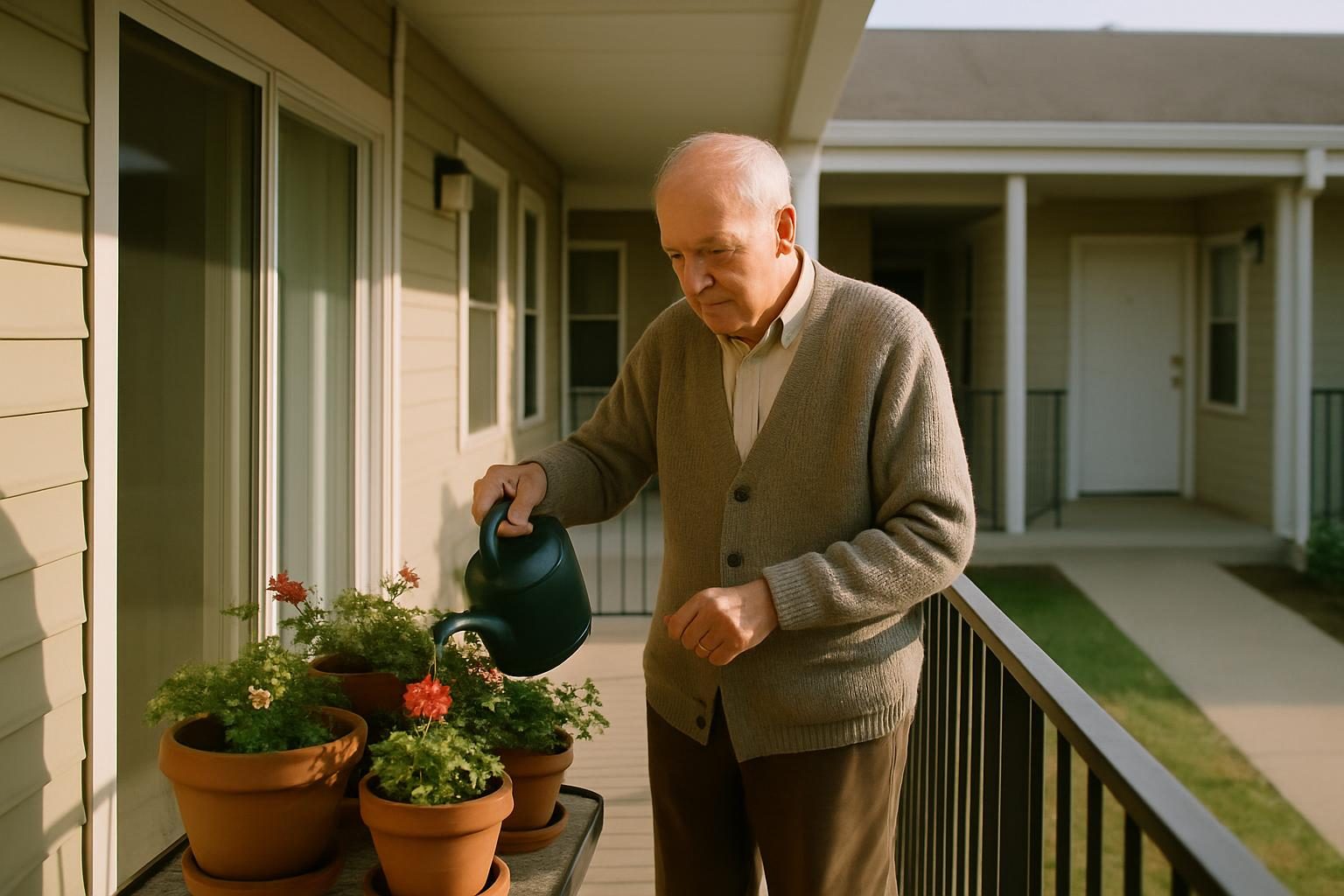
How affordable senior apartments work on a Social Security income
How can you find affordable senior apartments on Social Security? Market-rate rent in many areas now takes most or all of a typical check. In January 2026, after a 2.8% cost-of-living increase, the average Social Security retirement benefit was about $2,071 a month, and the federal SSI payment was $994 a month for an individual.
Income-based senior housing solves this by tying rent to income instead of the market. The main federal options are:
- HUD Section 202 Supportive Housing for the Elderly: apartment buildings for very low-income households age 62 and older.
- Other HUD-assisted properties with project-based Section 8 rental assistance, many of them designated for seniors.
- Public housing run by local housing authorities, often with senior-only buildings.
- Housing Choice Vouchers (Section 8), which help pay rent in a private apartment.
- Low-Income Housing Tax Credit (LIHTC) apartments, which have capped rents but usually do not adjust rent to 30% of your income.
Section 202: who qualifies and what rent costs
- Age: at least one adult in the household must be 62 or older.
- Income: household income must be below 50% of the Area Median Income (AMI), which HUD calls very low income. Limits differ by county and household size; HUD publishes them each year.
- Rent: residents typically pay 30% of adjusted income, and federal funds cover the rest. Adjusted income allows certain deductions, including some medical expenses for elderly households.
- Services: many Section 202 buildings have a service coordinator who connects residents with meals, transportation, and in-home help.
Example: a renter whose adjusted income is $1,800 a month would pay roughly $540 a month in rent at 30%. Your actual rent depends on the property's calculation and any utility allowance.
Ask about your situation
Type your question the way you'd say it. Free, no sign-up, and we never ask for your name.
Compare senior living near youHow to apply, step by step
- Find properties. Use the HUD Resource Locator and choose the option for affordable elderly and special needs housing. Make a list of every property within the area you would accept.
- Contact each property directly. HUD does not take applications; each building's management company does. Ask if the waitlist is open and how to apply.
- Apply to several at once. Each property keeps its own list. Applying to many improves your odds.
- Contact your local public housing agency for public housing and Housing Choice Vouchers. Lists may open only for short windows.
- Gather documents: photo ID, Social Security card, your Social Security benefit letter, bank statements, pension statements, and records of medical expenses.
- Keep your contact information current with every list. Missing a letter or call can drop you from a waitlist.
What to expect from waiting lists
Demand for income-based senior housing is far greater than supply in most areas, so waiting lists are the norm. Waits commonly run from months to years, and some lists are closed to new applicants. Each property decides its own preferences within HUD rules, so ask how your position is determined and how often you should check in.
A few habits help people move up faster:
- Apply to every eligible property in a wider area, including nearby towns.
- Ask whether a property gives preference to local residents, veterans, or people who are homeless or paying more than half their income in rent.
- Confirm your spot in writing and update the property whenever your phone number, address, or income changes.
- Respond immediately when a property contacts you. Offers often expire within days.
While you wait, ask your local Area Agency on Aging about rent help, utility assistance, and property tax relief. The Eldercare Locator at 1-800-677-1116 can connect you.
Other ways to stretch a Social Security income
- Apply for SSI if your income and savings are very low. Some states add a supplement.
- Check Medicare Savings Programs and Extra Help, which can lower health costs and free up money for rent.
- Consider a shared housing or home-sharing arrangement, which some nonprofit programs help arrange.
- Look at senior apartments with income limits under LIHTC, which may have shorter waits but fixed rents.
seniorhousing.si can show HUD and income-based senior apartments near your ZIP code, along with other senior housing options, so you can build your application list faster.
Common questions
Can I get a senior apartment with only Social Security income?
Yes. HUD-subsidized senior housing such as Section 202 is designed for very low-income households, and rent is usually about 30% of adjusted income, so it adjusts to what you receive.
What is the age requirement for HUD senior housing?
For Section 202, at least one adult in the household must be 62 or older. Some other senior buildings use 55 or older.
Do I apply to HUD for senior housing?
No. You apply directly to each property's management office. For public housing and vouchers, you apply to your local public housing agency.
Does Section 202 count my savings?
Yes. Income from assets is counted when your rent is calculated, and properties will ask for bank statements. The exact treatment follows HUD rules.