How long are senior apartment waiting lists?
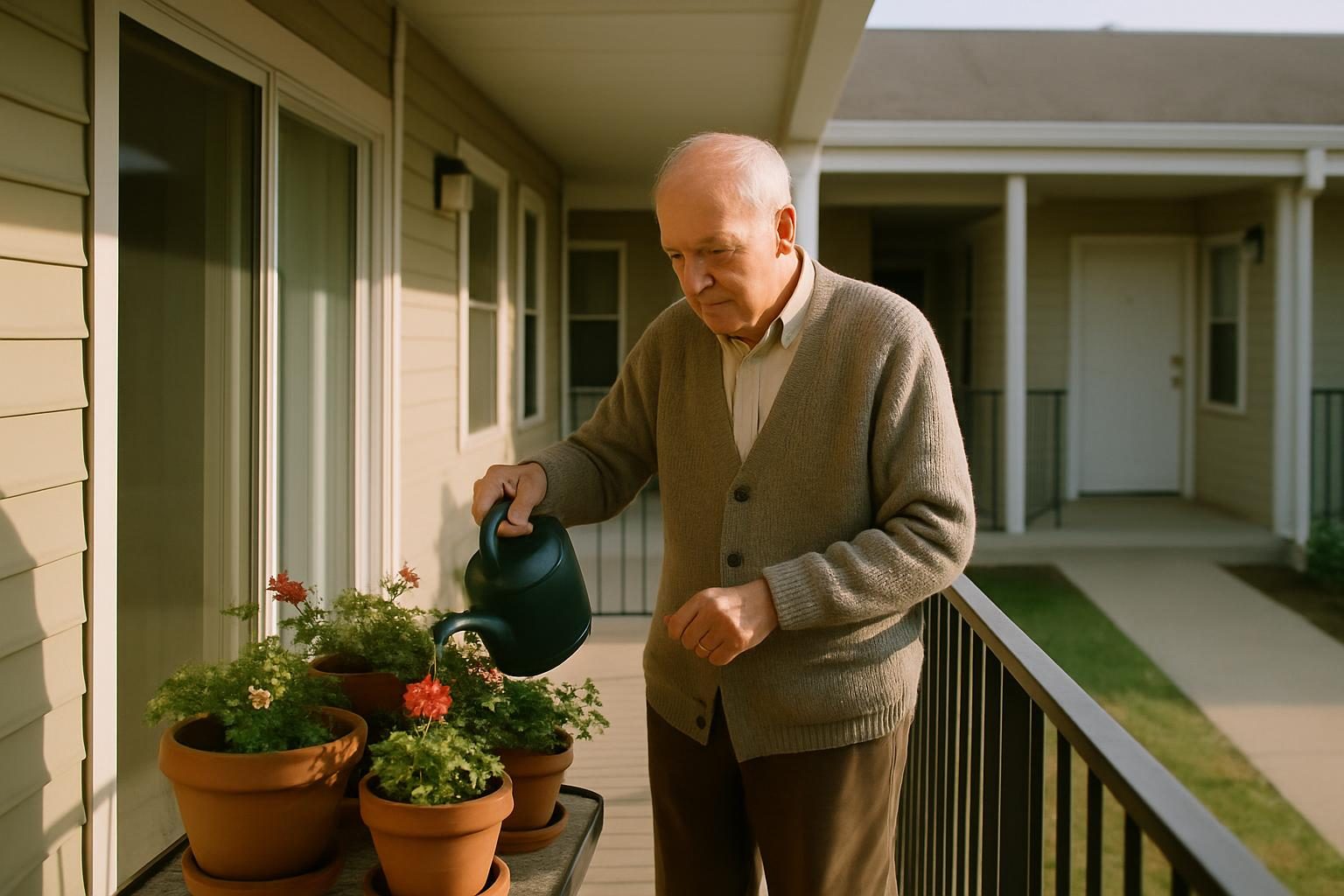
Why senior apartment waiting lists are so long
How long are senior apartment waiting lists? There is no single national answer, because every property keeps its own list. But in most areas, waits for subsidized senior housing are long for a simple reason: there are far more eligible older renters than subsidized units.
- Rent is tied to income. In Section 202 and similar HUD programs, residents usually pay about 30% of adjusted income, so few people leave once they move in.
- Turnover is slow. Openings come mainly when a resident moves to assisted living or a nursing home, or passes away.
- New construction is limited, so the number of units grows slowly.
Market-rate senior apartments and 55+ communities usually have short waits or none, but they cost more.
Because each property sets its own list, two buildings a mile apart can have very different waits. One may have a few dozen names and open units every few months, while another has hundreds of names and is closed to new applicants. The only way to know is to call each property and ask.
What affects how long you will wait
- Location: waits are usually longest in high-cost metro areas and shortest in smaller towns and rural areas.
- Unit size: one-bedroom apartments often have longer lists than studios at the same property.
- Preferences: properties can give priority to certain applicants allowed under their HUD-approved tenant selection plan, such as local residents or people who are homeless or displaced. Ask each property how its preferences work.
- Accessible units: people who need a wheelchair-accessible unit may be offered one sooner, or later, depending on availability.
- Closed lists: when a list gets very long, a property or housing authority may stop taking applications and reopen only for a short window.
Ask about your situation
Type your question the way you'd say it. Free, no sign-up, and we never ask for your name.
Compare senior living near youHow to shorten your wait
- Apply to many properties. Each list is separate, so being on ten lists is far better than being on one. Use the HUD Resource Locator to find elderly and special needs housing in a wider area.
- Include nearby towns where demand may be lower.
- Accept a studio if you can, since studios may open sooner.
- Ask about all program types: Section 202, other project-based Section 8 senior buildings, public housing senior buildings, and Low-Income Housing Tax Credit senior apartments.
- Apply for a Housing Choice Voucher through your local public housing agency when its list opens.
- Keep every property updated with your phone number, mailing address, and any income change. Missed mail is a common reason people lose their place.
- Check in regularly, such as every few months, and ask for written confirmation of your status.
What to do while you wait
- Contact your Area Agency on Aging through the Eldercare Locator at 1-800-677-1116 for rent help, utility assistance, home repair programs, and meal programs.
- Check benefits: SSI (the 2026 federal payment is $994 a month for an individual), Medicare Savings Programs, SNAP, and property tax relief for seniors in your state.
- Look at tax-credit senior apartments, which often have shorter waits and capped rents, though rent does not drop to 30% of your income.
- Ask about home-sharing programs that match older homeowners with renters.
If you are facing eviction or cannot afford your current rent, tell each property and your local housing authority. Some give preference to people who are homeless, being displaced, or paying more than half their income for rent, and legal aid offices can help with eviction defense.
Questions to ask each property
- How many people are on the list now, and how many units turn over in a typical year?
- Is the list open? If not, when will it reopen and how will that be announced?
- Do you have preferences, and do I qualify for any?
- How will you contact me when my name comes up, and how long will I have to respond?
- What are the income limits and current rent for my household size?
seniorhousing.si can show income-based and market-rate senior apartments near your ZIP code, so you can build a longer list of places to apply and compare options with shorter waits.
Common questions
Can I be on more than one senior housing waiting list?
Yes. Each property keeps its own list, and applying to several at once is one of the best ways to shorten your wait.
What happens if I miss a call from a senior housing property?
Many properties will move to the next applicant if they cannot reach you or you do not respond by a deadline. Keep your contact information current and check messages often.
Do HUD senior apartments have waiting lists everywhere?
Most do, but length varies widely. Smaller towns and rural areas often have shorter waits than large cities.